
“Cancer doesn’t discriminate.” That is the message from DC Jo Ferguson, who is sharing her story this Breast Cancer Awareness Month to encourage others to check themselves and see their GP.
Jo, a South Wales Police officer for nine years, was diagnosed after returning to her GP with a breast lump she had first sought medical advice about several years earlier.
What she initially thought was a change in normal breast tissue became a life-changing diagnosis, followed by surgery, chemotherapy and an uncertain journey towards recovery.
Speaking during Breast Cancer Awareness Month, she hopes her experience will encourage other women not to dismiss changes in their bodies.
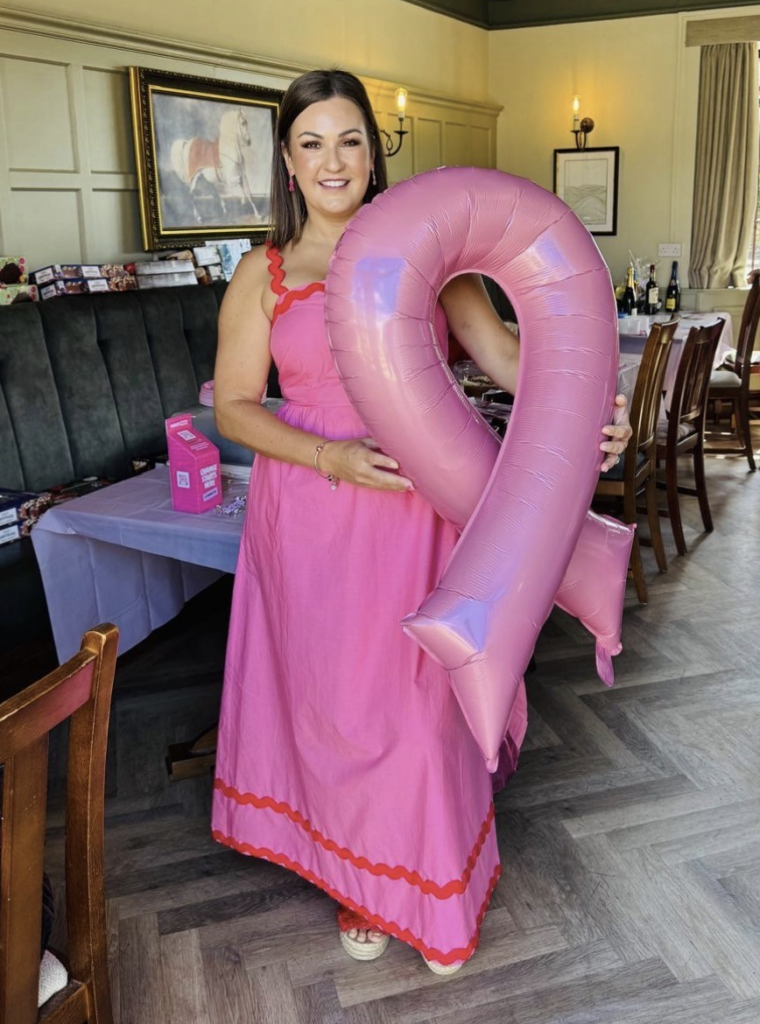
“I never thought that it would happen to me,” she said. “Cancer doesn’t discriminate. It doesn’t matter if you’re young or old, black or white, it can happen to anyone. I was 37 when I got my diagnosis.”
Jo had previously been examined after finding a lump in 2022. Following a scan, she was reassured that it was normal breast tissue.
However, when she noticed the lump changing, she returned to her GP in May 2025. She was referred to the Snowdrop Breast Centre, where a biopsy was carried out.
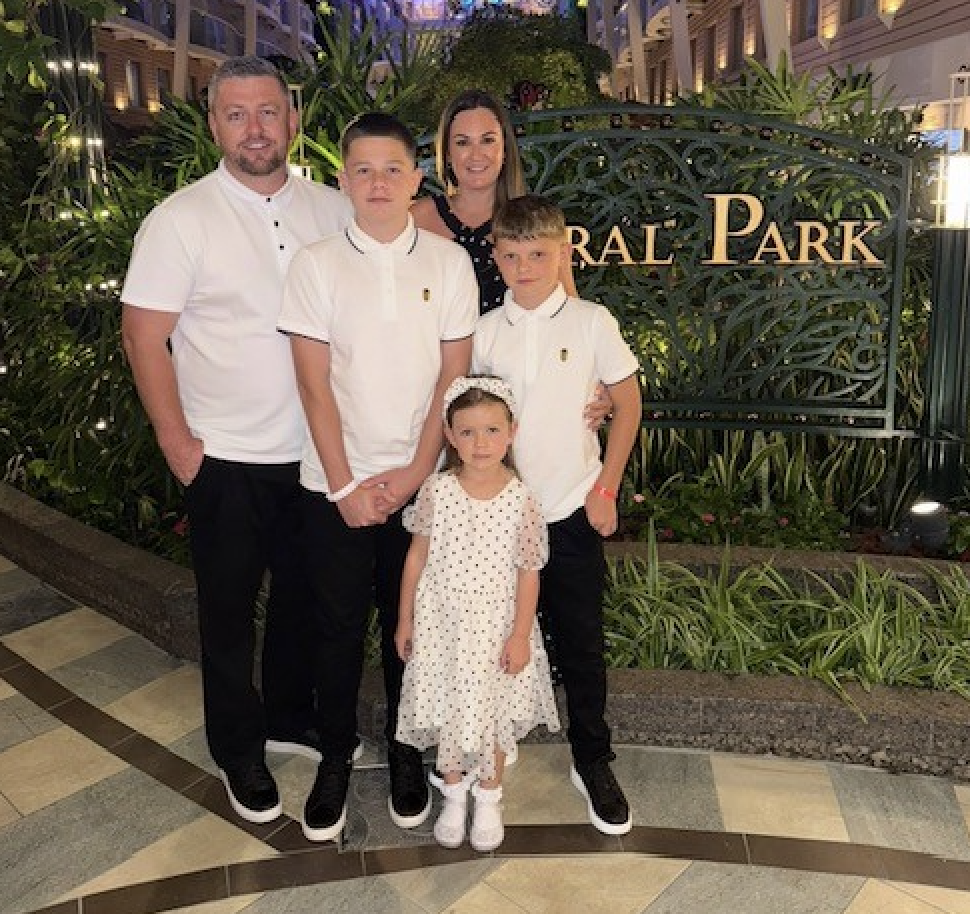
Told she would be contacted either way, Jo went on holiday with her husband, daughter and stepsons.
Breast cancer
When the call came asking her to return for an appointment, she said she knew what it meant. She spent the last three days of the trip hiding it from her family.
On 1 September 2025, she was diagnosed with breast cancer.
Initially, doctors expected a lumpectomy followed by radiotherapy to be sufficient. However, an MRI revealed another lump that had not been detected by mammography. Although the second lump proved non-cancerous, Jo and her surgeon decided that a mastectomy with immediate reconstruction was the best option.
The operation took place on 15 September.
Further checks revealed microscopic cancer cells in a sentinel lymph node under her arm.
A second operation to remove the lymph nodes under her left arm followed on 23 October, and with it, the need for chemotherapy.
“What I thought was going to be something that I’d caught really early, and would just need surgery and radiotherapy for, suddenly became something much bigger,” she said.
Jo began chemotherapy on 12 December and underwent eight cycles of treatment.
Treatment
A difficult conversation was telling her six-year-old daughter that treatment could make her hair fall out.
Her daughter was distraught, worried that people might call her mum ugly.
Jo decided to try the cold cap, a process intended to help reduce hair loss from chemotherapy.
She cut her long hair into a short bob beforehand and donated the cuttings to the Little Princess Trust, which makes wigs for children undergoing cancer treatment.
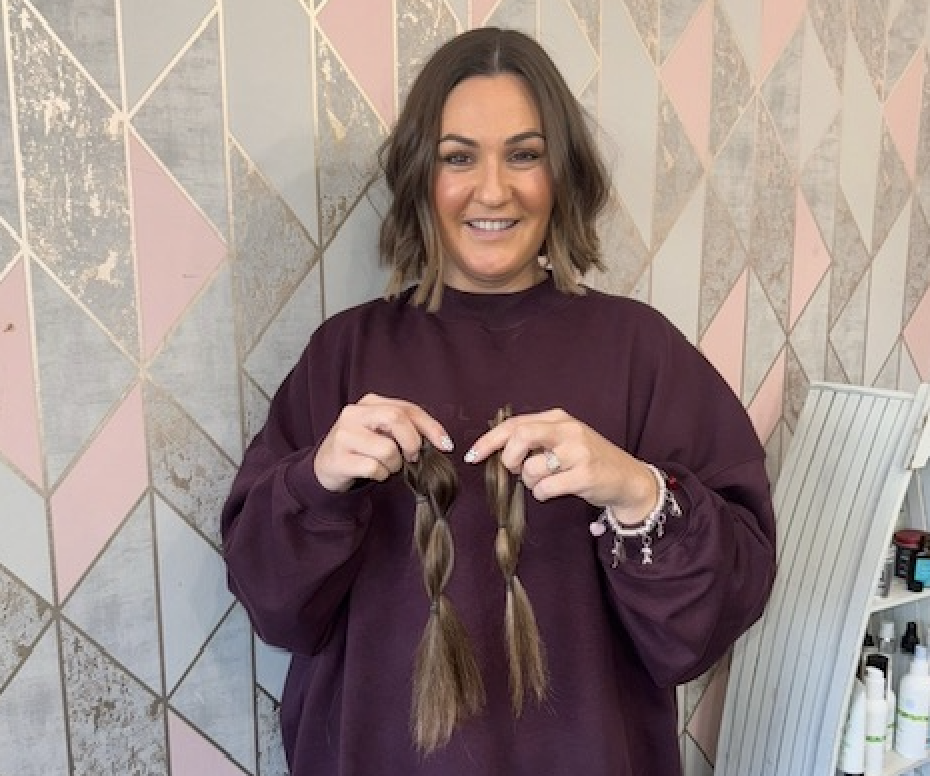
The cold cap worked and helped her keep most of her hair.
She received invaluable support from fellow South Wales Police officer Beth Jenkins, who received her own cancer diagnosis just 10 months before Jo.
“Beth had a very similar experience and was like a tower of strength to me,” Jo said. “She was someone I could speak to, who knew how I felt, who gave me lots of tips on chemotherapy and how I would feel after.
“She is a very good friend of mine now and I will never be able to thank her enough.”
Financial support
Jo also praised colleagues in the Major Crime department, who regularly checked in on her, visited her and made time to meet for coffee.
South Wales Police Federation secretary Mike George also provided advice about her entitlements and the financial support available should her sick pay have been reduced. She said she was grateful to have remained on full pay throughout her absence.
“The support I had was amazing,” she said. “They never forgot about me. They were absolutely brilliant.”
Following treatment and further investigations, Jo has been told there is currently no evidence of disease. She continues to take medication and receive ongoing treatment, with side effects that can affect her day-to-day life.
She has recently returned to work on a phased basis, which she said has helped her regain some sense of normality.
“I think my normal will never be the thing that it was before. I’ve got a new normal,” she said.
Journey
“But being back at work has given me a little bit of sense of normality. It’s lovely to go back to an environment that was there before and hasn’t changed.”
Identity, she said, is a big part of the journey.
“Breast cancer has such a massive impact on a woman because your breasts and your hair are part of what makes you feminine,” said Jo
She said her reconstruction has been very successful, and a hair loss specialist in Cardiff has fitted her with a full head of extensions.
“If you didn’t know, you’d never guess what I’ve been through,” she said.
Since her diagnosis Jo has raised more than £3,000 for the charity Breast Cancer Now.
Check your breasts
She hosted a tea and cake sale at her local pub, which raised more than £2,500. And her husband Ryan and his best friend raised more than £850 in completing the Walk 100 Miles in October challenge.
Jo hopes her experience will encourage other women to act if they notice changes, rather than assuming they are too young to develop cancer.
“Go to your GP, check your breasts regularly and get to know your own body,” she said.
“I wasn’t feeling well in myself and was having dizzy spells and was really tired, but it never once crossed my mind that I had breast cancer.
“I feel that having a support network helped me and I would urge anyone going through this or anything similar to speak to their loved ones.”
READ MORE: Fed reps inspired by first-ever ELEVATE event for women.