
A Federation member has urged her colleagues to use Neurodiversity Celebration Week as a reminder to be kind to themselves and others in a profession which ‘isn’t easy for anyone – let alone those with neurological differences’.
Over two decades into her policing career, Sergeant Carli Shellard says the last few years of her time with South Wales Police have seen her become a happier officer than ever.
In 2021, Carli received the most self-affirming news of her life when she was formally diagnosed with autism spectrum disorder (ASD) and attention deficit hyperactivity disorder (ADHD).
While this may not have ‘altered much in reality’, it was a game-changer for her sense of personal identity, giving her definitive answers to questions she had long asked about herself – but only after prolonged feelings of confusion and isolation.
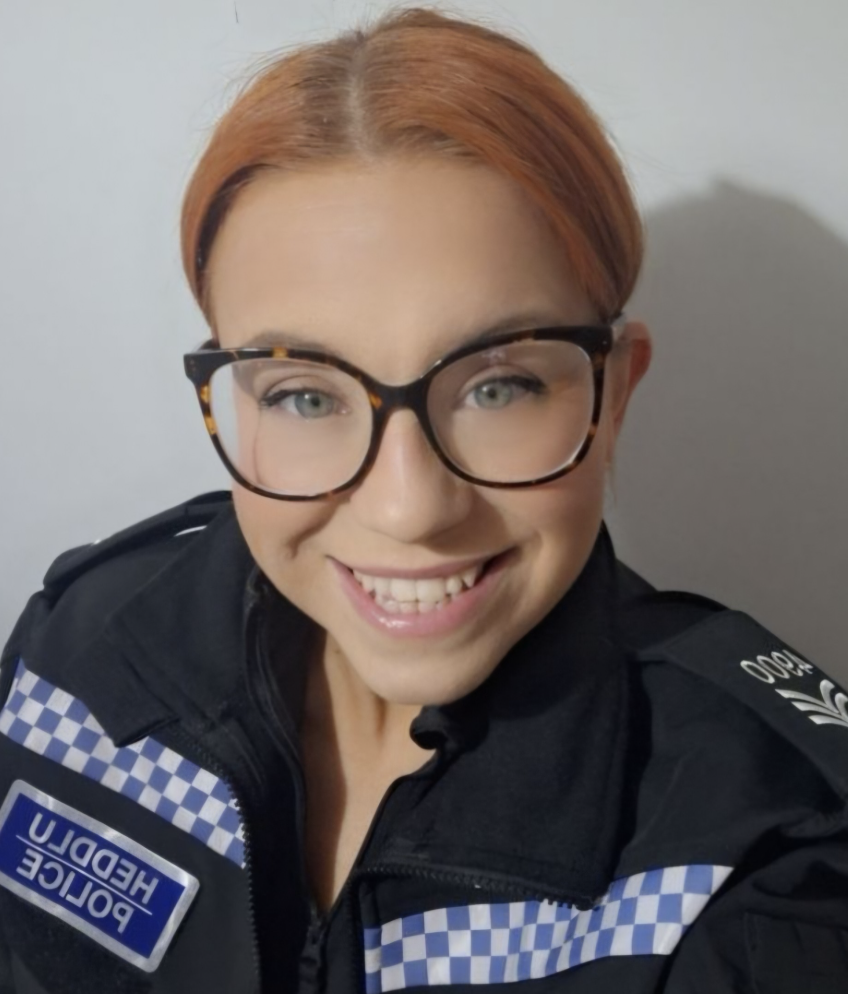
Sergeant Carli Shellard.
Carli joined Force in 2005, initially arriving as part of its very first PCSO intake before becoming a PC two years later, where she started out on response in Cardiff.
Back then, she knew of no one at work who identified as being neurodivergent.
Instead, she was only aware of her own internal struggle, which worsened as she grew more aware of its potential impact on her performance.
“I remember when I first started to notice myself not really managing in the job,” said Carli, who is sharing her experience to mark Neurodiversity Celebration Week, which runs from today (Monday 16 March) until Friday 20 March.
Inner demons
“I’d be worrying about things I couldn’t imagine other people typically worrying about. I would get called in by line managers for standard chats and convince myself I was in huge trouble.
“I would struggle to focus, and I would get overly fazed by certain tasks, which all fed into that sense of inadequacy. It was like that for me for years, to be honest.
“Some external changes helped – after a while, I transferred from Cardiff to Aberdare, where I lived, to make my commute less of a timekeeping task – but deep down, I knew these were my own inner demons, rather than anything on the outside.
“It was all stemming from my own perspective, which, for a long time, I wasn’t sure how to address.”
When a switch from the frontline to a desk-based role – enforced by an injury sustained off duty – as a police prosecutor only magnified her difficulties, Carli’s frustrations also increased tenfold.
By this point, though, she didn’t just have her responsibilities in the Force to think about, but her responsibilities at home, too.
Diagnosis
“Long before my own diagnosis, my two children were both diagnosed with ASD,” the 42-year-old continued.
“While you may think having two autistic kids would put me closer and more familiar with seeing the same condition in myself, it was almost the opposite, because I only wanted to be there for them, and I disregarded myself.
“I told myself I’d always done well in school, I’d got a job and made a career, so I didn’t need a diagnosis now. I found a way to put my own symptoms to the back of my mind.”
Having remained for years to come, Carli’s mindset only began to change when the COVID-19 pandemic forced her to slow down and take stock of her health.
An approach of ‘getting to work and getting the job done’ was going some way to suppressing her inner turmoil, but was also ‘making me ill’ in equal measure.
“I was feeling even more isolated than usual, and like many, I was at home a lot more with the kids. It was then I realised and accepted I needed the same help as them.
“I’m so glad I eventually got to that point, because now, I am in such a better place. My medication helps keep me regulated, and I have that certainty around why I am the way I am.”
Medication
Now promoted in rank and part of an incident resolution team based in Force headquarters, Carli believes having her neurodiversity clinically confirmed doesn’t impact the tasks she has at hand, but the way she responds to them.
As she nears completion of her sergeant exams, some portfolio work represents ‘the first time I’ve had a big load of assignments with a deadline in my adult life’.
But with support and understanding from those around her, the experienced officer says she feels empowered to tackle any challenge she faces in the job.
“I think it’s important to reiterate my struggles come from within, not from a profession I continue to love. My colleagues are incredibly supportive, and that’s all any neurodivergent person needs and can ask for.
“If you work with someone who is neurodivergent and you’re unsure how you can help them, just ask. Policing puts pressure and demand on us all, so no one is after any preferential treatment, but just a bit of understanding of the unique challenges we face from those we work alongside can go a long way.
“It’s not about being liked, but simply being accepted for who you are.”
READ MORE: Pay restoration will help address retention crisis.